
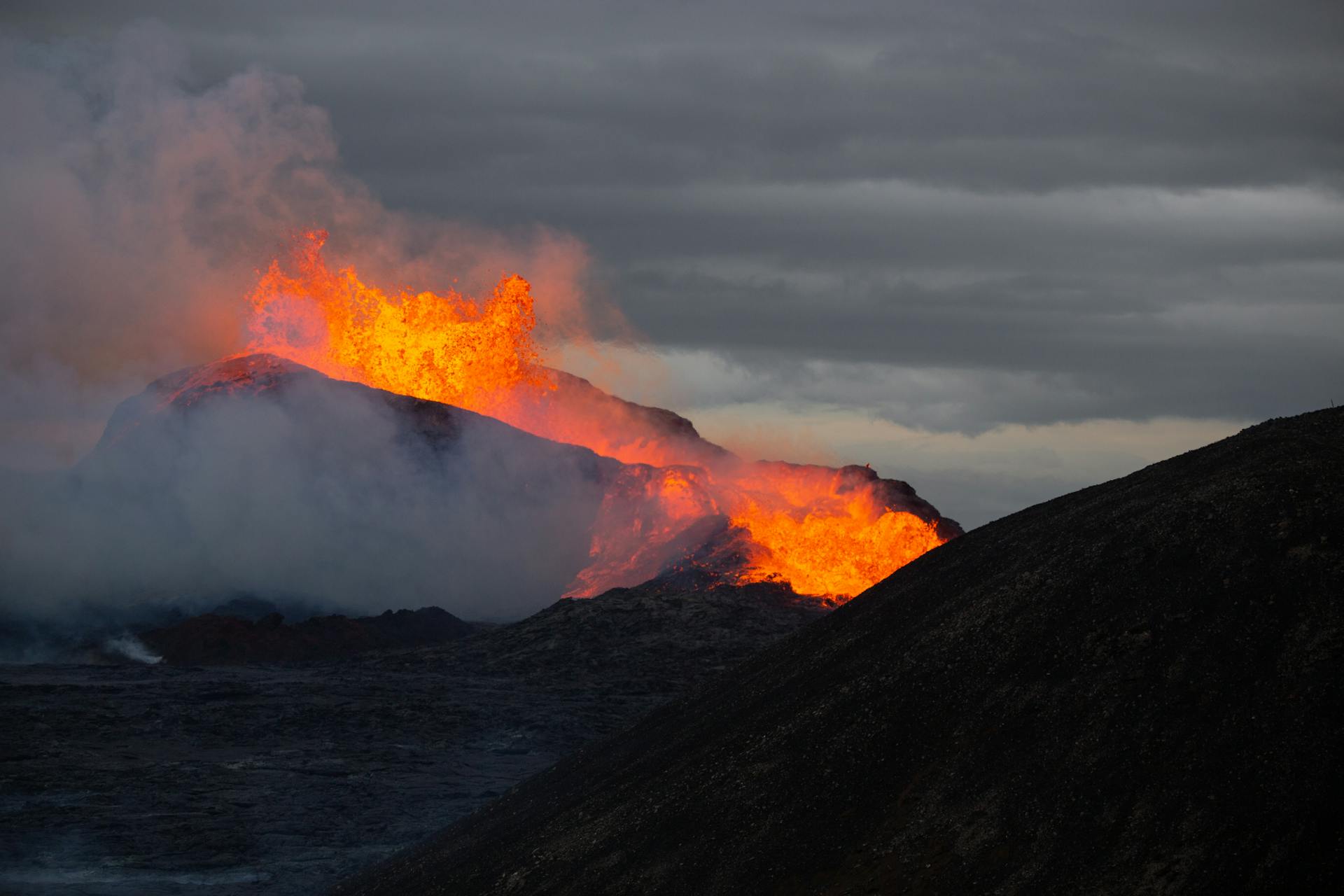
Volcanoes are among the most powerful natural laboratories on Earth. When they erupt—or even when they quietly degas between eruptions—they release complex mixtures of inorganic compounds that challenge scientists’ understanding of geochemical processes. Volcanic gases may appear simple at first glance, consisting largely of water vapor, carbon dioxide, sulfur dioxide, and minor halogens. Yet, field observations often reveal unusual colors, unexpected mineral deposits, rapid oxidation–reduction shifts, and rare metal enrichment patterns that cannot be fully explained without the lens of inorganic chemistry.
Inorganic reactions in volcanic environments are controlled by extreme temperature gradients, rapid pressure changes, and a reactive mixture of elements capable of producing exotic compounds. Understanding these processes offers insights not only into volcanology, but also into atmospheric chemistry, ore formation, and even the behavior of industrial materials under harsh conditions.
1. High-Temperature Redox Reactions: The Engine Behind Unusual Gas Behavior
One of the most striking features of volcanic gas plumes is their rapidly changing coloration—from transparent or white vapor to blue, yellow, or even greenish clouds. These color shifts are direct results of oxidation–reduction reactions occurring as gases move from the superheated vent to cooler atmospheric conditions.
At the vent, temperatures may exceed 900°C, favoring the formation of reduced species like hydrogen sulfide (H₂S) and sulfur monoxide (SO). As gases ascend and cool, oxygen from the atmosphere diffuses into the plume and drives oxidation:
- H₂S → SO₂
- SO → SO₂ → SO₃ → H₂SO₄ aerosols
These transformations generate particles that scatter light differently. For example, fine droplets of sulfuric acid can give a bluish tint to the plume, while elemental sulfur aerosols may appear yellow.
The presence of trace metals amplifies these effects. Certain metal oxides—even in minute concentrations—catalyze oxidation, speed up disproportionation reactions, or directly contribute color to the plume. One interesting example is vanadium pentoxide, a highly oxidized vanadium compound known for its catalytic properties and distinct orange-yellow coloration. In volcanic settings, vanadium-bearing minerals in magma or surrounding rock may oxidize upon contact with rising gases, helping create colorful, reactive mixtures that would not otherwise form as quickly.
2. Halogen Chemistry: The Source of “Volcanic Smog” and Acid Clouds
Volcanic plumes often contain hydrogen chloride (HCl) and hydrogen fluoride (HF) in significant amounts. When these gases mix with atmospheric moisture, they produce corrosive acids capable of etching glass, damaging vegetation, and creating “vog” (volcanic smog).
But halogens also participate in more unusual reactions that astonish researchers. At very high temperatures, halogens form reactive intermediates and metal halide species. For example, niobium and other refractory elements released in trace quantities can form volatile halide complexes under extreme conditions. One such laboratory analogue is NbCl5, a niobium chloride widely used in inorganic chemistry to illustrate how refractory metals can become volatile when combined with halogens.
While NbCl₅ itself is not emitted directly by volcanoes, the underlying principle is the same: halogens dramatically increase the volatility of otherwise non-volatile metals. This helps explain why volcanic plumes sometimes contain unexpected quantities of metals like iron, titanium, vanadium, and even rare elements such as niobium or molybdenum. Metal chlorides remain gaseous until they cool enough to hydrolyze or precipitate, often far from the volcanic vent.
3. Sublimation Minerals: Why Volcanoes Create “Alien” Crystals
When hot gases rich in metals rise into cooler zones, they undergo a process called sublimation deposition. Instead of forming minerals through slow crystallization of magma, sublimation minerals form directly from gas.
This leads to striking deposits:
- bright red crystals of realgar (arsenic sulfide)
- blue or green copper sulfate encrustations
- soft white fumarolic “cotton” made of ammonium salts
- rare vanadium, molybdenum, or tungsten oxides
Many of these minerals resemble industrial by-products or laboratory compounds more than natural geological formations. Inorganic chemistry explains why: volatile species carry metals into the gas phase, then condensation and hydrolysis reactions deposit them in visually unusual forms.
For example:
- Metal chlorides hydrolyze to oxides or hydroxides
- Sulfur species disproportionate to form sulfates and sulfides
- Halides crystallize rapidly when temperatures drop
- Highly oxidized compounds precipitate near oxygen-rich zones
This combination produces complex, beautiful, and sometimes toxic crystals within fumaroles and around active vents.
4. Acid–Base Interactions and the Formation of Aerosols
Volcanic gases contain both acids (SO₂, HCl, HF) and basic components (ammonia, if present, or alkaline metal vapors derived from heated rocks). Their interactions generate salts, fine aerosols, and particulate matter that influence atmospheric chemistry.
For example:
- NH₃ + HCl → NH₄Cl (fine white aerosol)
- Metal oxides + SO₃ → metal sulfates
- Alkali vapors + HF → fluoride salts
These reactions can produce sudden “cloud bursts” of particulate matter that seem visually mysterious in the plume.
5. Rare Metals and Geochemical Fingerprints
Volcanic gases often carry tiny but measurable amounts of rare metals—vanadium, nickel, chromium, molybdenum, titanium, niobium, and others. Their presence tells geochemists about:
- magma oxidation state
- mantle source composition
- interactions with surrounding rock
- temperature and pressure conditions in conduits
Many volcanic monitoring programs now analyze trace metals in plumes to detect early signs of eruptive activity. Because metal speciation depends directly on inorganic chemistry—especially oxidation state and halogen content—these measurements offer valuable predictive insight.
Conclusion
The unusual phenomena in volcanic gases—unexpected colors, rapid chemical transformations, strange mineral deposits, and shifting oxidation states—are best understood through the framework of inorganic chemistry. High temperatures, halogen-rich conditions, reactive metal species, and extreme gradients create an environment where reactions proceed at extraordinary speeds and generate compounds rarely seen elsewhere in nature.
By studying these processes, scientists not only understand volcanic systems more deeply but also gain clues that influence atmospheric science, industrial materials research, and the complex chemistry of Earth’s interior.