
V2O5 Supply Overview
Vanmo Tech is an industrial supplier of Vanadium Pentoxide (V2O5) in 99% min, 99.5% min, and 99.8% min grades. The MOQ is 500 KG. Buyers can request COA, TDS, SDS, current packing, lead time, sample conditions, and quotation details.
V2O5 is the chemical formula for Vanadium Pentoxide. To request a quotation, send the required grade, quantity, destination country, intended application, document requirements, and any packing or delivery requirements.
Grades, MOQ, Documents, and Ordering
| Product | Vanadium Pentoxide (V2O5) |
|---|---|
| CAS No. | 1314-62-1 |
| UN No. | 2862 |
| Transport Hazard Class | 6.1 |
| Purity / Grade | 99% minimum, 99.5% minimum, and 99.8% minimum grades are available. Please see the specification table below for detailed element limits. |
| MOQ | 500 KG |
| Lead Time | Please contact us for current lead time and stock availability. |
| Main Uses | Petroleum refining catalyst (Benfield process), H2S removal in Stretford process chemistry for LNG plants, SCR denitrification catalyst, Li-ion battery material, hard alloy (tungsten carbide) additive, and ammonia synthesis catalyst. |
| Documents | COA, TDS, and SDS are available on request. |
| Sample Availability | Samples may be arranged for qualified buyers. Please contact Mr. Nikko at nikko@vanmotech.com or via WhatsApp at +86-18355527369 to discuss sample availability and conditions. |
| How to Order | Email: nikko@vanmotech.com | Phone: +86-139 6539 1219 | Contact form |
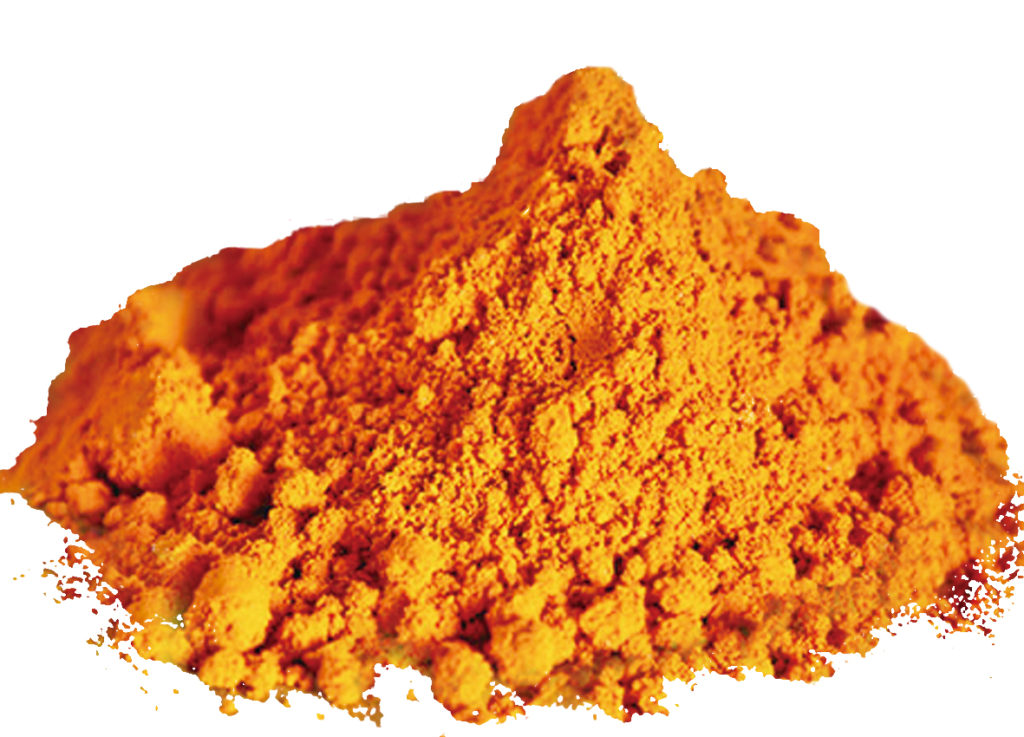
Main Industrial Uses
- Catalyst for petroleum refining(Benfield Process) in oil refinery.
- Remove carbon dioxide (CO2) and H2S from industrial gas streams in Benfield process gas sweetening.
- Catalyst for synthesis ammonia industry in chemical fertilizer plant.
- SCR denitrification catalyst production material.
- Additive in hard alloy(tungsten carbides).
- Additive for Li-ion batteries material.
- Magnetic material.
V2O5 Grade Specifications
99% Minimum Grade
| V2O5 | 99% min |
| V2O4 | 1.5% max |
| S | 0.05% max |
| Fe | 0.2% max |
| Si | 0.2% max |
| Ca | 0.05% max |
| Al | 0.01% max |
| Na2O+K2O | 1.0% max |
99.5% Minimum Grade
| V2O5 | 99.5% min |
| V2O4 | 1.0% max |
| S | 0.01% max |
| Fe | 0.02% max |
| Si | 0.06% max |
| Ca | 0.03% max |
| Al | 0.005% max |
| Na2O+K2O | 0.05% max |
99.8% Minimum Grade
| V2O5 | 99.8% min |
| V2O4 | 0.4% max |
| S | 0.005% max |
| Fe | 0.01% max |
| Si | 0.01% max |
| Ca | 0.02% max |
| Al | 0.002% max |
| Na2O+K2O | 0.03% max |
Additional Specification Requirements
The standard specification tables above show the currently published limits for Vanmo Tech V2O5 grades.
If your procurement specification requires SiO2, phosphorus (P), particle size or mesh, or another parameter not shown in the tables, please include the required limit in your inquiry. Vanmo Tech will confirm whether the requested specification can be supported before quotation.
For current packing, lead time, availability, and technical document requirements, please contact Vanmo Tech with the required grade and quantity.
Vanmo Tech V2O5 Supply Capability
Founded in 2014, Vanmo Tech has more than 10 years of experience in vanadium compound production and supply. The company has an annual production capacity of 900 tons of Vanadium Pentoxide (V2O5).
Industrial buyers can request current grade information, COA, TDS, SDS, packing details, lead time, sample conditions where applicable, and quotation information before ordering.
Need a V2O5 Quote or Technical Documents?
Send your required V2O5 grade, quantity, destination country, intended application, and any COA, TDS, SDS, packing or delivery requirements. Vanmo Tech will review your requirement and confirm the current quotation details.
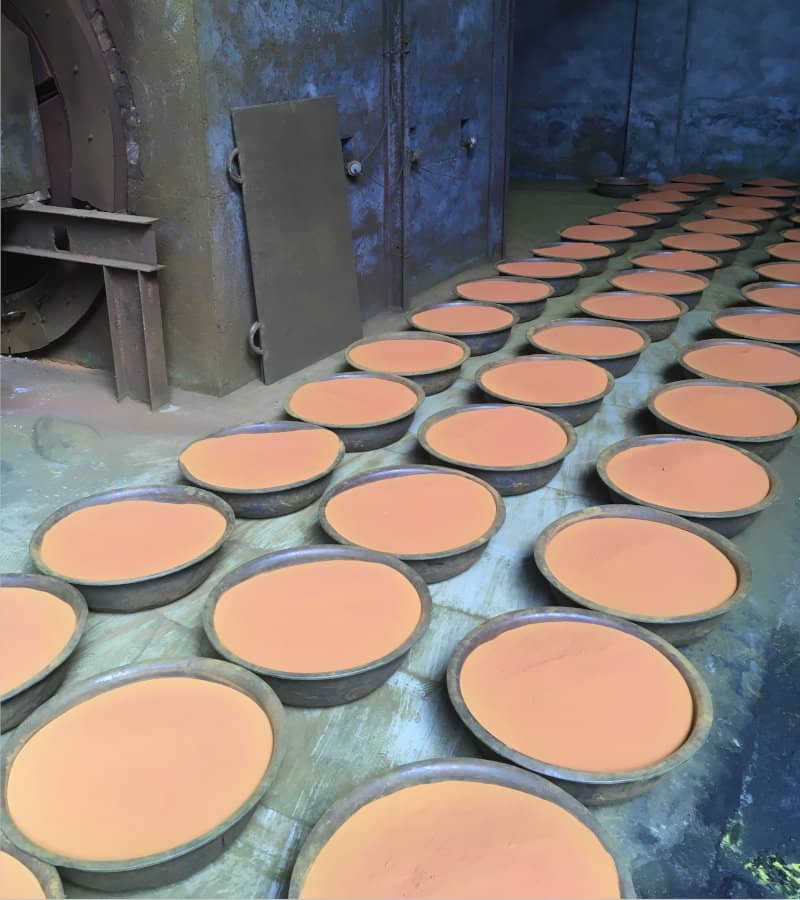
Production and Processing Overview
Raw Material → Dissolution → Purify → Precipitation → Filtration
Packing ← Crushing ← Oxidation ← Drying ← Solid ↲
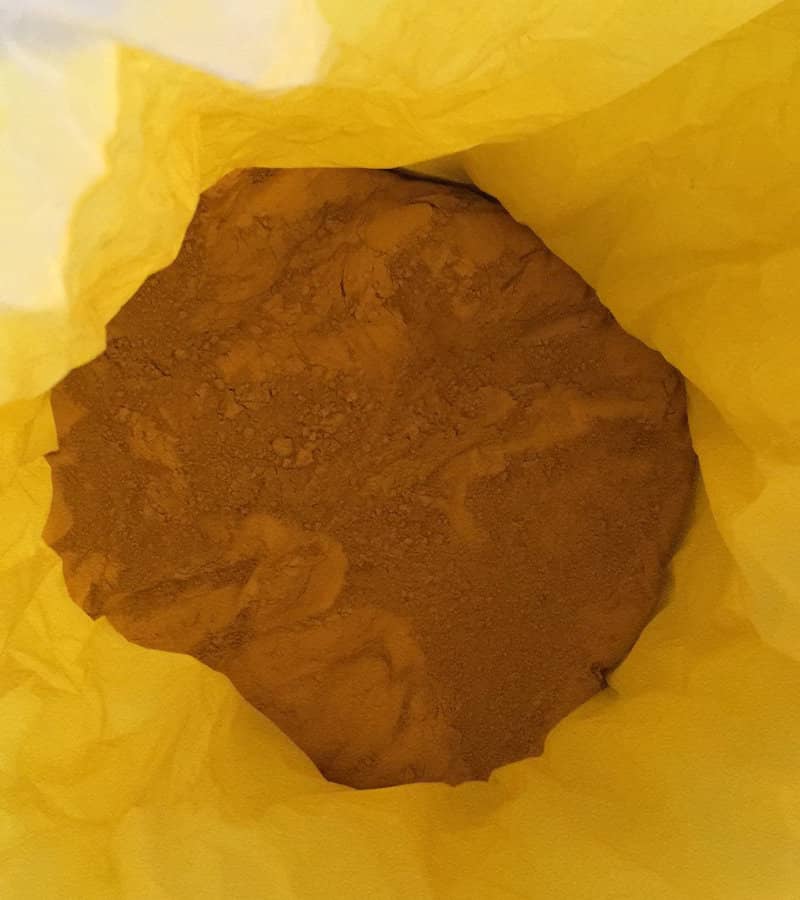
V2O5 Product Images

Industrial Applications and Grade Selection
Vanadium Pentoxide (V2O5) is supplied for industrial catalyst, gas-treatment, battery-material, and alloy-additive applications. The required grade depends on the buyer’s process, impurity limits, application conditions, quantity, and technical requirements.
Before ordering, buyers should confirm the intended application and requested specification with Vanmo Tech so that the quotation, grade, documents, packing, and delivery requirements can be reviewed correctly.
Technical Documents and Buyer Requirements
COA, TDS, and SDS are available on request. To request a quotation, provide the required grade, quantity, destination country, intended application, document requirements, and any packing or delivery requirements.
For handling, storage, transport, and safety requirements, refer to the current SDS supplied for the selected product grade.
The text was prepared by Gao Zhanghua.
Related Vanadium Products and Buyer Resources
Explore related Vanmo Tech products and procurement information:
- Vanadium Electrolyte for VRFB projects
- NaVO3, KVO3 and NH4VO3 metavanadate compounds
- MoCl5, NbCl5, TaCl5 and WCl6 chloride compounds
- V2O5 Buyer Guide — Grades, MOQ and Documents
- Contact Vanmo Tech for pricing and documents
Request V2O5 Pricing and Availability
Need Vanadium Pentoxide pricing, COA, TDS, SDS, sample conditions, packing details, or current lead time? Send your required grade, quantity, destination country, intended application, and document requirements. Vanmo Tech will review the request and confirm the current quotation details.
Available grades: 99% min, 99.5% min, and 99.8% min. MOQ: 500 KG.
Request a QuoteV2O5 Procurement FAQs
What grades of Vanadium Pentoxide (V2O5) are available?
Vanmo Tech supplies Vanadium Pentoxide in 99% min, 99.5% min, and 99.8% min grades. Buyers should review the specification table and confirm the required grade for their application before ordering.
What is the MOQ for Vanadium Pentoxide (V2O5)?
The MOQ for Vanadium Pentoxide (V2O5) is 500 KG. Contact Vanmo Tech to confirm current lead time, stock availability, packing, and delivery conditions.
Can buyers request COA, TDS, and SDS for V2O5?
Yes. COA, TDS, and SDS are available on request. Buyers should include their required grade, quantity, application, destination country, and document requirements in the inquiry.
Can I request a V2O5 sample before placing a full order?
Samples may be arranged for qualified buyers. Contact Vanmo Tech to confirm current sample availability and conditions for your required grade and application.
What are the main industrial applications of Vanadium Pentoxide?
Vanadium Pentoxide is supplied for industrial catalyst, gas-treatment, battery-material, and alloy-additive applications. Buyers should confirm their intended process and required specification before ordering.
What is the compound name of V2O5?
The compound name of V2O5 is Vanadium Pentoxide. V2O5 is an inorganic vanadium oxide compound.
How can I request a quote for Vanadium Pentoxide (V2O5)?
Use the Contact page or email nikko@vanmotech.com. Include the required grade, quantity, destination country, intended application, and any COA, TDS, SDS, sample, packing, or delivery requirements. Vanmo Tech will confirm current lead time, packing availability, and quotation details.