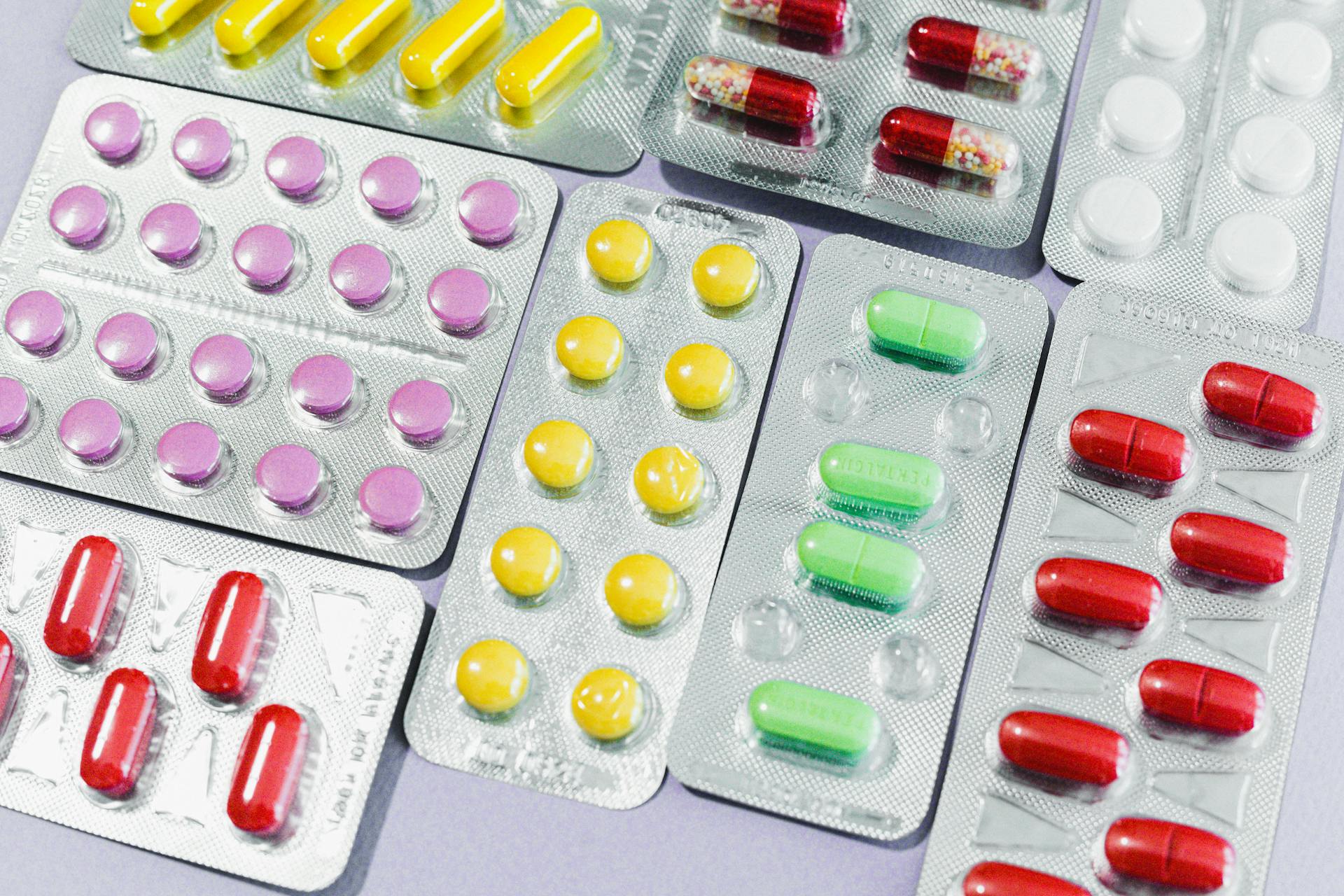
bookmark_borderThe Hidden Chemistry Behind Every Medicine

Developing a new drug is a longcostly, and highly regulated process. Typical timelines from concept to market span about 10–15 years, often costing US$1–2+ billion per approved drug. The pipeline begins with target identification (finding a biological molecule or pathway to attack), proceeds through lead discovery and medicinal chemistry optimization, then moves into preclinical (in vitro and animal) testing and human clinical trials (Phases I–III).

After promising results, a regulatory submission (e.g. FDA New Drug Application) is reviewed (~6–10 months) before approval and manufacturing scale-up. Post-approval, safety is monitored in the general population. At each stage many candidates fail – about 90% of drug candidates entering clinical trials never reach the market. Common bottlenecks include lack of human efficacy (40–50%), toxicity (30%), poor pharmacokinetics (10–15%), or commercial issues. This article outlines each step in detail, including realistic examples of chemistry (e.g. use of NbCl₅ and vanadium reagents), typical durations and costs, and a concise case study of a statin drug that progressed from bench to bedside.

Target Identification & Lead Discovery

Drug discovery usually starts with biology. Researchers identify a target – typically a protein or pathway implicated in disease (e.g. an enzyme in a pathogenic organism or a human disease pathway) – by genetic, biochemical or genomic studies. Target validation may involve experiments showing that modulating the target affects disease models. Once validated, vast compound libraries (millions of molecules) are screened in silico, in test tubes, or in cells to find hits that bind or modulate the target. Alternately, phenotypic screens test compounds for a desired effect in cells or organisms without knowing the target. Hits are then confirmed and prioritized. At this early stage thousands of compounds may be considered; only a few “lead” molecules typically emerge for further work. Lead discovery may also include drug repurposing (testing known drugs for new uses) or fragment-based design (building bigger molecules from small binding fragments).

Medicinal Chemistry & Lead Optimization

Once a lead is identified, medicinal chemists enter an iterative lead optimization phase. They synthesize analogs of the lead molecule to improve its potency, selectivity, solubility, and other drug-like properties. This involves many classical organic reactions (couplings, condensations, cyclizations, etc.) under evolving conditions. Inorganic reagents and catalysts often play key roles. For example, niobium pentachloride (NbCl₅) – a strong Lewis acid – has been used as a stoichiometric promoter in esterification reactions. In one report, NbCl₅ enabled a one-pot transesterification/esterification converting aspirin into methyl salicylate (wintergreen oil) in high yield. NbCl₅ has also served as a catalyst for heterocycle formation (e.g. condensation of 1,2-diamines with diketones to make quinoxalines).

Another class, vanadium(V) compounds, can catalyze oxidative or multicomponent reactions. For instance, ammonium metavanadate (NH₄VO₃) catalyzes one-pot syntheses of substituted pyridines and dihydropyridines under mild, “green” conditions. Vanadium pentoxide (V₂O₅, vanadia) is a classic oxidation catalyst (used industrially for SO₂→SO₃) and can oxidize organic substrates (e.g. glyoxal to glyoxylic acid). Sodium metavanadate (NaVO₃) is a soluble source of V(V) often used in oxidation chemistry. Chemists may add or modify functional groups (halogens, alkyls, heterocycles) to tune activity and ADME (absorption/metabolism) properties. Throughout, structure–activity relationships (SAR) are built: small systematic changes are made and tested to iteratively improve the molecule. Safety note: NbCl₅ and vanadium compounds are hazardous. NbCl₅ reacts violently with water (fuming HCl), and V₂O₅ is highly toxic (respiratory toxin, carcinogen and mutagen). Proper protective equipment and protocols are required.

Preclinical Studies (In Vitro & In Vivo, ADME/Tox)

Before testing in humans, the optimized candidate undergoes rigorous preclinical testing. This includes in vitro assays (cells, biochemical tests) and in vivo studies in animals. In vitro tests may assess mechanism of action, potency on cells, metabolic stability (liver enzymes), and early toxicity. In vivo studies (typically in two species, e.g. rodents and dogs) characterize pharmacokinetics (absorption, distribution, metabolism, excretion – ADME) and toxicology. Acute and chronic toxicity studies determine safe dose ranges and organs at risk (liver, kidney, heart, etc.). Good Laboratory Practice (GLP) regulations apply: studies must follow strict protocols, record-keeping and oversight.

Preclinical work also assesses pharmacodynamics (effect vs. dose in animals) and identifies a No-Observed-Adverse-Effect Level (NOAEL) to guide human dosing. These studies are typically small (dozens of animals) but must be detailed. GLP guidelines (21 CFR Part 58) ensure study integrity. In sum, preclinical data on safety, metabolism, and dosing are reviewed to decide whether to file an IND (Investigational New Drug application) and proceed to humans.

Clinical Trials (Phase I–III)

If preclinical results are acceptable, the sponsor files an IND application (US) or similar, then begins human trials. Clinical trials are conducted under strict protocols and ethical oversight (IRB/GCP). They proceed through standard phases:

  • Phase I: Objective: Safety and dosing. A small group (typically 20–100) of healthy volunteers (or patients for serious diseases) receive the drug. Researchers gradually escalate doses to determine tolerability, side effects, and basic pharmacokinetics (how the body handles the drug). Phase I lasts months. (~70% of candidates proceed beyond Phase I.)
  • Phase II: Objective: Efficacy and expanded safety. Several dozen to a few hundred patients with the target condition are treated (for weeks or months). This phase refines dosing and assesses whether there are signals of clinical benefit. It provides more safety data. (~33% of candidates reach Phase III.)
  • Phase III: Objective: Pivotal efficacy trials. These are large, randomized controlled trials (300–3,000 patients) often lasting 1–4 years. They are designed to definitively show that the drug works better than placebo or standard therapy, and to capture rare or long-term side effects. Successful completion of two or more positive Phase III trials is usually required for approval. (Roughly 25–30% of drugs enter the regulatory submission stage.)

During all phases, Good Clinical Practice (GCP) rules apply. Data are carefully monitored for safety signals. Clinical trial designs are reviewed by regulatory agencies (FDA, etc.) in advance. Also, many companies now incorporate biomarkers or adaptive designs to improve efficiency (see Clinical Biomarkers). At any point, trials can be halted for safety or futility. For example, most failures occur in Phase II/III due to lack of efficacy or unforeseen toxicity. For reference, Gao et al. report that 40–50% of trial failures are due to inadequate efficacy, 30% due to toxicity, ~10–15% due to poor drug-like properties, and ~10% for other reasons.

Regulatory Submission and Approval

With convincing Phase III results, the sponsor prepares a regulatory submission. In the US this is the New Drug Application (NDA). The NDA (or EMA’s MAA in Europe) is a massive dossier containing all data: chemistry, manufacturing, animal and clinical studies, proposed labeling, patent information, and more. It tells the full story: “the drug is safe and effective for its use in the studied population.” After submission, the regulatory agency takes 6–10 months (standard review) to evaluate the NDA. Inspectors audit clinical sites and manufacturing facilities to verify compliance and data integrity. The review team (doctors, statisticians, chemists, etc.) examines every section.

The agency may ask questions or require additional studies. If satisfied, the agency approves the drug for marketing. The approval letter includes agreed labeling (indications, dosing, warnings) that guides physician use. If concerns remain, the agency may issue non-approval or require more data. FDA advisory committees (independent experts) may be convened for public review on difficult cases. In practice, many major markets (US, EU, Japan, etc.) have harmonized requirements via ICH guidelines, so one set of core data often suffices, though separate filings are needed in each region.

How New Medicines Are Developed

Manufacturing Scale-Up and Quality Control

Once approved, the drug must be produced on a commercial scale under Good Manufacturing Practice (GMP). This involves scaling up the chemical synthesis or bioproduction from lab grams to metric tons. Process chemists refine the synthesis for efficiency and safety. For small molecules, multi-step organic syntheses are adapted to large reactors; for biologics, cell cultures and purification are scaled accordingly. Key tasks include optimizing yields, removing impurities, and validating each step.

Quality control labs test intermediate and final batches for purity, potency, sterility (if applicable), and stability (shelf life). FDA’s cGMP regulations set strict standards on facilities, equipment, materials, procedures and documentation. Every batch is tested to ensure it contains the correct active drug amount and no harmful contaminants. Regulatory inspectors routinely audit manufacturing plants. In essence, GMP ensures that “a product is safe for use, and that it has the ingredients and strength it claims to have”.

Post-Marketing Surveillance

Approval is not the end of safety assessment. Post-marketing surveillance (often called Phase IV) monitors a drug’s performance in the general population. Clinical trials have limited size and durations, so rare side effects or long-term issues may only appear after millions of patients use the drug. Physicians and patients report adverse events (via systems like FDA MedWatch). The manufacturer must submit periodic safety updates. The FDA can require label changes (new warnings or dosage adjustments) or, in extreme cases, withdraw approval if serious problems emerge.

For example, if new data show a risk in a subgroup, a safety label update or black box warning might be added. Manufacturers may also conduct post-marketing studies under IND regulations to explore new uses, dosages or populations. The agency inspects manufacturing sites continually to enforce GMP (even after approval) and oversees drug advertising and promotion to ensure claims remain truthful. Once a drug’s patents expire, generic manufacturers may file Abbreviated NDAs proving bioequivalence; generics must meet the same quality standards (same dosage form, strength, efficacy).

Typical Timelines, Costs, and Challenges

  • Timeline: From target discovery to launch usually takes 10–15 years (and often longer for novel targets). Initial research/discovery may take 2–5 years, lead optimization 1–3 years, preclinical 1–2 years, clinical Phases I–III another 5–7 years, plus ~1 year regulatory review. Fast-tracked drugs (e.g. for urgent diseases) can be quicker, but still are measured in years.
  • Costs: Developing one successful drug often exceeds US$1–2 billion (some estimates up to $3B). Much of this cost is in clinical trials; typically only 1 out of ~10 drug candidates entering Phase I ever yields an approved product. Companies must fund thousands of failed or shelved projects.
  • Attrition and Bottlenecks: The vast majority of candidates fail. Sun et al. report ~90% of drugs entering clinical trials ultimately fail. Failures can occur at any stage: a promising lead may later exhibit liver toxicity in animals, or a Phase II trial may show no clinical benefit. Key issues include off-target toxicity, poor pharmacokinetics (e.g. drug is cleared too quickly), or lack of efficacy in humans (disease complexity). Statistical power (patient recruitment), trial design, and sometimes regulatory delays or funding constraints also slow progress. The high cost of late-stage trials means sponsors are very selective after Phase II. Common reasons for failure are summarized as: ~40–50% lack of efficacy, ~30% safety/toxicity issues, ~10–15% poor ADME properties, and ~10% strategic or commercial reasons.

Ethical and Regulatory Considerations

Drug development is tightly regulated to protect patient safety and ethics. Preclinical animal studies must follow humane practices (IACUC oversight) and use the minimum number of animals needed for reliable data. Clinical trials require informed consent and IRB (ethics committee) approval. Trials must balance scientific aims with patient rights: e.g. minimizing placebo use when an effective treatment exists.

Vulnerable populations (children, pregnant women, cognitively impaired) receive special protections. Good Clinical Practice (GCP) demands data integrity, patient confidentiality and transparent reporting of results (e.g. through clinicaltrials.gov registration). Marketing ethics demand that companies do not misrepresent efficacy or hide risks. Orphan drug laws and incentive programs (like extra market exclusivity for rare diseases or for pediatric studies) further influence development strategy. Overall, a drug sponsor must navigate a web of regulations (e.g. FDA, EMA guidelines) and ethical standards at every step to bring a drug to market responsibly.

Case Study: A Statin Drug’s Journey

As an example, consider a cholesterol-lowering statin. The target (HMG-CoA reductase) was known from earlier drugs. Pfizer chemist Bruce Roth synthesized a novel statin lead in 1985; this lead became atorvastatin (Lipitor). Over the next decade, medchem teams made hundreds of analogs. They used classical reactions (e.g. Paal–Knorr cyclizations to build the core) and developed a chiral synthesis for the active calcium salt (ensuring the correct 3D orientation for potency). Preclinical animal tests showed strong LDL-cholesterol lowering.

Phase I trials in healthy volunteers (mid-1990s) confirmed safety at various doses. Phase II trials in patients with high cholesterol identified an effective dose range. Two large Phase III trials (thousands of patients over years) demonstrated significant reduction in cardiovascular events compared to placebo. Pfizer partnered with Warner-Lambert and filed the NDA. In 1996 the FDA approved atorvastatin (it launched in 1997). Manufacturing was scaled up under cGMP: multi-ton synthesis routes were optimized, and strict quality controls ensured purity and potency of each batch. Post-marketing, large outcome studies confirmed its cardiovascular benefits, cementing atorvastatin as a blockbuster. This case illustrates the ~11-year timeline from first synthesis to approval, the heavy chemistries involved (pyrrole formation, asymmetric steps), and the massive clinical effort required.

Conclusion and Takeaways

Developing a new drug is a multistage journey requiring integrated biology, chemistry, pharmacology and regulation. Key takeaways for practitioners and observers are:

  • Stay thorough at each step. A solid target rationale and lead optimization (often using sophisticated reagents/catalysts like NbCl₅ or vanadates) are as crucial as rigorous preclinical models and well-designed trials.
  • Anticipate attrition. Budget and plan for high failure rates; use go/no-go criteria and biomarkers to make early decisions (Sun et al. 2022).
  • Follow regulations and ethics. Adhere to GLP/GMP/GCP standards and obtain all necessary approvals and consents; these ensure trust and safety.
  • Invest in quality. Good manufacturing scale-up and quality control (FDA cGMP) are as important as discovery – a drug is only as good as its consistent production.
  • Monitor continuously. Even after launch, active surveillance for rare adverse effects is mandatory.

In sum, new drug development is a high-risk, high-stakes process that, when successful, delivers profound medical benefits to society. By understanding each phase and its challenges – from bench chemistry to regulatory approval – scientists and managers can better navigate this complex pathway to bring effective therapies to patients.

Sources: Authoritative FDA and peer-reviewed sources were used for each section. Examples of inorganic reagents in synthesis were drawn from recent literature on NbCl₅ and vanadium catalysts. Drug development statistics and timelines were obtained from studies in the literature. The atorvastatin case and chemistry were summarized from historical accounts. Additional regulatory details are from FDA guidance documents.

bookmark_borderAmmonium Metavanadate: Structure, Chemistry, and Industrial Relevance

Ammonium metavanadate (NH₄VO₃) is an inorganic compound that occupies a strategic position in vanadium chemistry. It serves as a key intermediate in the extraction and purification of vanadium, a precursor to vanadium pentoxide (V₂O₅), and a starting material for numerous catalysts, ceramics, pigments, and advanced materials. Despite its relatively simple formula, ammonium metavanadate plays a crucial role in metallurgy, catalysis, and energy technologies.

This article examines its structure, physicochemical properties, production pathways, and industrial applications in detail.


1. Chemical Identity and Structure

  • Chemical formula: NH₄VO₃
  • Molar mass: 116.98 g/mol
  • Appearance: White to slightly yellow crystalline powder
  • Solubility: Moderately soluble in water, more soluble in hot water

Ammonium metavanadate consists of ammonium cations (NH₄⁺) and metavanadate anions (VO₃⁻). In aqueous solution, vanadium(V) exhibits complex speciation behavior depending on pH. Under mildly acidic to neutral conditions, metavanadate species dominate, often forming polymeric vanadates through V–O–V bridging.

The vanadium atom is in the +5 oxidation state, which is the most stable and industrially relevant oxidation state of vanadium.

Structurally, VO₃⁻ units form chains or layers in the solid state, stabilized by hydrogen bonding with ammonium ions. The compound’s lattice arrangement contributes to its moderate thermal stability and predictable decomposition pathway.


2. Thermal Behavior and Decomposition

One of the most important properties of ammonium metavanadate is its controlled thermal decomposition:2NH4VO3V2O5+2NH3+H2O2 NH_4VO_3 \rightarrow V_2O_5 + 2 NH_3 + H_2O2NH4​VO3​→V2​O5​+2NH3​+H2​O

Upon heating (typically above 200–300°C), ammonium metavanadate decomposes to:

  • Vanadium pentoxide (V₂O₅)
  • Ammonia (NH₃)
  • Water vapor

This clean decomposition reaction makes it an ideal precursor for producing high-purity vanadium pentoxide, which is widely used in catalysts and advanced materials.


3. Industrial Production

Ammonium metavanadate is typically produced during vanadium extraction from:

  • Vanadium-bearing titanomagnetite ores
  • Petroleum residues and fly ash
  • Spent catalysts
  • Slag from steel production

General production pathway:

  1. Leaching: Vanadium-containing raw material is treated with acid or alkaline solutions.
  2. Oxidation: Vanadium is converted to the +5 oxidation state.
  3. Precipitation: Addition of ammonium salts (e.g., ammonium chloride or ammonium sulfate) causes ammonium metavanadate to precipitate.
  4. Filtration and drying: The precipitate is filtered, washed, and dried.

This precipitation method is highly selective, making ammonium metavanadate a purification intermediate rather than just a final product.


4. Key Applications

4.1 Precursor to Vanadium Pentoxide (V₂O₅)

The most significant use of ammonium metavanadate is as a precursor to vanadium pentoxide, a material essential in:

  • Sulfuric acid production (contact process catalysts)
  • Oxidation catalysts
  • Glass and ceramic colorants
  • Lithium-ion battery cathode materials

Vanadium pentoxide derived from ammonium metavanadate is often preferred due to its high purity and controlled morphology.


4.2 Catalysis

Vanadium-based catalysts are central to many oxidation reactions:

  • Oxidation of SO₂ to SO₃ in sulfuric acid plants
  • Selective catalytic reduction (SCR) of NOx emissions
  • Hydrocarbon oxidation

Ammonium metavanadate serves as a laboratory and industrial precursor for preparing supported vanadium catalysts.


4.3 Pigments and Ceramics

Vanadium compounds impart yellow, green, or blue hues in:

  • Ceramic glazes
  • Specialty glasses
  • Enamel coatings

Controlled thermal decomposition of ammonium metavanadate allows fine tuning of pigment characteristics.


4.4 Energy Storage

Vanadium chemistry plays an increasing role in:

  • Vanadium redox flow batteries (VRFB)
  • Lithium-ion battery cathode development

While ammonium metavanadate is not used directly in batteries, it is frequently used to synthesize advanced vanadium oxides for energy applications.


5. Laboratory Applications

In research settings, ammonium metavanadate is widely used in:

  • Analytical chemistry for vanadium standards
  • Synthesis of nanostructured vanadium oxides
  • Preparation of coordination complexes
  • Study of polyoxovanadates

Because vanadium exhibits multiple oxidation states (+2, +3, +4, +5), ammonium metavanadate provides a convenient entry point into redox chemistry studies.


6. Environmental and Safety Considerations

Vanadium compounds, including ammonium metavanadate, must be handled carefully.

Hazards:

  • Toxic if ingested or inhaled
  • Irritating to skin and eyes
  • Harmful to aquatic life

Industrial handling requires:

  • Proper ventilation
  • Personal protective equipment (PPE)
  • Controlled waste disposal

Environmental management is especially important when processing vanadium from petroleum residues, as heavy metal contamination can occur.


7. Role in Modern Materials Science

Ammonium metavanadate is increasingly relevant in advanced materials research:

  • Synthesis of vanadium oxide nanowires
  • Layered vanadium oxide cathodes
  • Electrochromic devices
  • Smart window technologies

Controlled hydrothermal or sol-gel processing starting from ammonium metavanadate allows precise manipulation of crystal size and morphology.


8. Why It Matters

Though it may appear to be a niche inorganic salt, ammonium metavanadate sits at the crossroads of:

  • Extractive metallurgy
  • Industrial catalysis
  • Energy storage innovation
  • Advanced functional materials

Without this compound, the purification and controlled production of vanadium-based materials would be significantly more complex.

Its value lies not in mass consumption but in strategic importance. In global supply chains for energy transition technologies, vanadium chemistry—starting from intermediates like ammonium metavanadate—plays a nontrivial role.


Conclusion

Ammonium metavanadate (NH₄VO₃) is far more than a laboratory reagent. It is a critical intermediate in vanadium extraction and a precursor to one of the most industrially important oxides, V₂O₅. From sulfuric acid production and environmental catalysis to next-generation batteries and smart materials, its impact spans traditional heavy industry and emerging high-tech sectors.

Understanding ammonium metavanadate means understanding a gateway compound—one that connects raw mineral resources to advanced functional materials shaping the future of energy and chemical technology.

bookmark_borderSodium Metavanadate vs. Ammonium Metavanadate: Key Differences and Why They Matter for Industry

Vanadium compounds play a quiet but critical role in modern industry. Among them, sodium metavanadate and ammonium metavanadate are two of the most widely used vanadium salts. At first glance, they may appear similar: both contain vanadium in a high oxidation state and are used as intermediates or functional reagents in chemical processes. However, their chemical behavior, stability, and practical applications differ in ways that are highly significant for industrial users.

Understanding these differences is essential for manufacturers, researchers, and engineers who rely on precision, safety, and efficiency in vanadium-related processes.


Chemical Nature and Composition

The most fundamental difference between sodium metavanadate and ammonium metavanadate lies in their counterions.

  • Sodium metavanadate (NaVO₃) contains sodium as its cation.
  • Ammonium metavanadate (NH₄VO₃) contains the ammonium ion.

This seemingly small distinction has a major impact on how each compound behaves in solution, how stable it is under different conditions, and how it is handled in industrial environments.

Ammonium metavanadate is often described as a more reactive and versatile intermediate, while sodium metavanadate is typically valued for its higher chemical stability.


Solubility and Solution Behavior

Solubility is one of the most important practical differences between these two compounds.

Ammonium metavanadate has moderate solubility in water, and its solubility increases noticeably when heated. This makes it especially useful in controlled laboratory reactions and industrial synthesis processes where gradual dissolution is desirable. However, its solubility is also more sensitive to pH and temperature changes.

Sodium metavanadate, on the other hand, is generally more soluble and more predictable in aqueous solutions, particularly in alkaline conditions. This consistency is one of the reasons it is favored in large-scale industrial processes, where uniform reaction conditions are critical.

In short:

  • Ammonium metavanadate offers flexibility.
  • Sodium metavanadate offers reliability.

Thermal Stability and Decomposition

Thermal behavior is another area where the two compounds differ significantly.

Ammonium metavanadate decomposes when heated, releasing ammonia and converting into vanadium oxides. This property is not a drawback—in fact, it is one of its main advantages. Because of this behavior, ammonium metavanadate is widely used as a precursor in the production of vanadium pentoxide and other vanadium-based materials.

Sodium metavanadate is thermally more stable and does not decompose as readily under similar conditions. This makes it better suited for processes that involve sustained heat or long reaction times, such as catalytic systems and industrial chemical reactions.


Industrial Applications: Different Roles, Different Strengths

Although both compounds are part of the same chemical family, they tend to occupy different roles in industry.

Ammonium metavanadate is commonly used:

  • As an intermediate in vanadium refining
  • In the production of vanadium oxides
  • In laboratory-scale synthesis
  • In processes where easy conversion to other vanadium compounds is required

Its ability to decompose cleanly makes it ideal for applications where purity of the final vanadium product is essential.

Sodium metavanadate, by contrast, is more often used:

  • As a catalyst or catalyst component
  • In corrosion inhibition systems
  • In chemical synthesis where stable vanadate ions are needed
  • In analytical chemistry and biochemical research

Its stability and solubility profile make it suitable for continuous or long-term industrial use.


Safety, Handling, and Storage Considerations

From a safety perspective, both compounds require careful handling, as vanadium compounds can be toxic if improperly managed. However, their handling characteristics differ.

Ammonium metavanadate is more sensitive to heat and can release ammonia during decomposition, which requires good ventilation and temperature control. It is often preferred in controlled environments where storage times are short and conversion into other compounds happens quickly.

Sodium metavanadate is easier to store and transport, as it is less prone to decomposition. This makes it more attractive for large-scale distribution and long-term industrial use.


Why the Difference Matters for Industry

Choosing between sodium metavanadate and ammonium metavanadate is not a matter of preference—it is a matter of process design.

  • Industries focused on vanadium extraction and material synthesis often prefer ammonium metavanadate.
  • Industries that require stable, repeatable chemical behavior typically choose sodium metavanadate.

Selecting the wrong compound can lead to inefficiencies, safety issues, or inconsistent product quality. Selecting the right one can streamline production and reduce operational risk.


Conclusion

While sodium metavanadate and ammonium metavanadate are closely related, they serve distinct and complementary purposes in modern industry. Their differences in solubility, thermal stability, and chemical behavior directly influence how and where they are used.

Understanding these distinctions allows industries to make informed decisions, optimize their processes, and fully leverage the unique advantages of vanadium chemistry. In a world where advanced materials and precise chemical control are increasingly important, these differences are not minor details—they are fundamental.